May 4, 2026
Navigating financial challenges tied to homeownership can feel overwhelming, especially when the possibility of losing a home becomes real. In these situations, understanding foreclosure law is not just helpful—it is essential. Foreclosure is a legal process, not a sudden event, and homeowners are protected by a series of rights and procedures that must be followed before a lender can take possession of a property.
In recent years, economic shifts have made it increasingly important for homeowners to stay informed. According to Safeguard Properties, one in every 1,515 US housing units had a foreclosure filing during the first quarter of 2025, highlighting how widespread and impactful these situations can be. This reality makes it even more important to understand what foreclosure law entails and how it can affect your options.
Foreclosure law provides a framework that governs how lenders and borrowers interact when mortgage obligations are not met. It ensures fairness, establishes timelines, and outlines opportunities for homeowners to respond. By learning about your rights and the options available, you can approach the situation with greater clarity and confidence, while also making informed decisions that align with your long-term goals.
Understanding Foreclosure Law Basics
Foreclosure law refers to the set of legal rules and procedures that lenders must follow when a borrower fails to meet mortgage obligations. Rather than allowing lenders to take immediate control of a property, the law creates a structured process that prioritizes transparency and due process.
At its core, foreclosure law exists to balance the interests of both parties. Lenders have the right to recover the funds they are owed, but borrowers also have the right to fair treatment, proper notice, and the opportunity to explore alternatives. This balance is what makes the legal framework so important.
The process typically begins after missed payments, but it does not happen overnight. Notices are issued, timelines are enforced, and opportunities for resolution are often built into each stage. These safeguards are designed to prevent abrupt loss of property and to give homeowners a chance to respond meaningfully.
Understanding these basics can help remove some of the fear associated with foreclosure. When you know that there is a defined process—and that you have rights within it—you are better equipped to take thoughtful steps forward.
Exploring Types of Foreclosure Processes
Foreclosure law includes different types of processes, and the path taken often depends on the terms of the mortgage and the laws of the state where the property is located. The most common approaches are judicial and nonjudicial foreclosure.
Judicial foreclosure involves court oversight. In this process, the lender files a lawsuit, and the case moves through the legal system. This type of foreclosure generally provides more opportunities for homeowners to respond, as the court reviews each step to ensure compliance with the law.
Each type of foreclosure has its own implications for homeowners. Understanding which process applies to your situation can help you anticipate what to expect and prepare accordingly. Regardless of the type, foreclosure law ensures that specific procedures must be followed, providing a layer of protection throughout the process.
Recognizing Homeowner Rights During Foreclosure
One of the most important aspects of foreclosure law is the set of rights it grants to homeowners. These rights are designed to ensure fairness and to give borrowers a meaningful opportunity to address the situation before losing their property.
Homeowners generally have the right to receive proper notice before any foreclosure action takes place. This notice must clearly outline the issue, provide details about the default, and explain what steps can be taken to resolve it. Without proper notice, the foreclosure process cannot proceed legally.
Another key right involves the opportunity to reinstate the loan. In many cases, homeowners can bring the loan current by paying overdue amounts within a certain timeframe. This option allows borrowers to stop the foreclosure process and retain ownership of their home.
Understanding these rights empowers homeowners to take an active role in the process rather than feeling like passive participants. Knowledge of foreclosure law can help ensure that these protections are respected and properly applied.
Evaluating Options to Avoid Foreclosure
Foreclosure law does not simply outline how a property can be taken—it also creates opportunities for homeowners to avoid that outcome. There are several options that may be available, depending on individual circumstances and lender policies.
Loan modification is one common option. This involves adjusting the terms of the mortgage to make payments more manageable. Changes may include altering the interest rate, extending the repayment period, or restructuring the loan in a way that aligns with the borrower’s current financial situation.
Another potential option is a repayment plan. This allows homeowners to catch up on missed payments over time while continuing to make regular monthly payments. This approach can provide a path to stability without requiring immediate full repayment of overdue amounts.
For some homeowners, a short sale may be considered. In this scenario, the property is sold for less than the remaining mortgage balance, with the lender agreeing to accept the proceeds as satisfaction of the debt.
A deed in lieu of foreclosure is another alternative. This involves voluntarily transferring ownership of the property to the lender in exchange for being released from the mortgage obligation. While this is a significant decision, it can offer a more controlled resolution compared to a formal foreclosure process.
Identifying Legal Timelines and Procedures
Foreclosure law establishes clear timelines and procedures that must be followed throughout the process. These timelines are not arbitrary—they are designed to ensure fairness and provide homeowners with adequate time to respond.
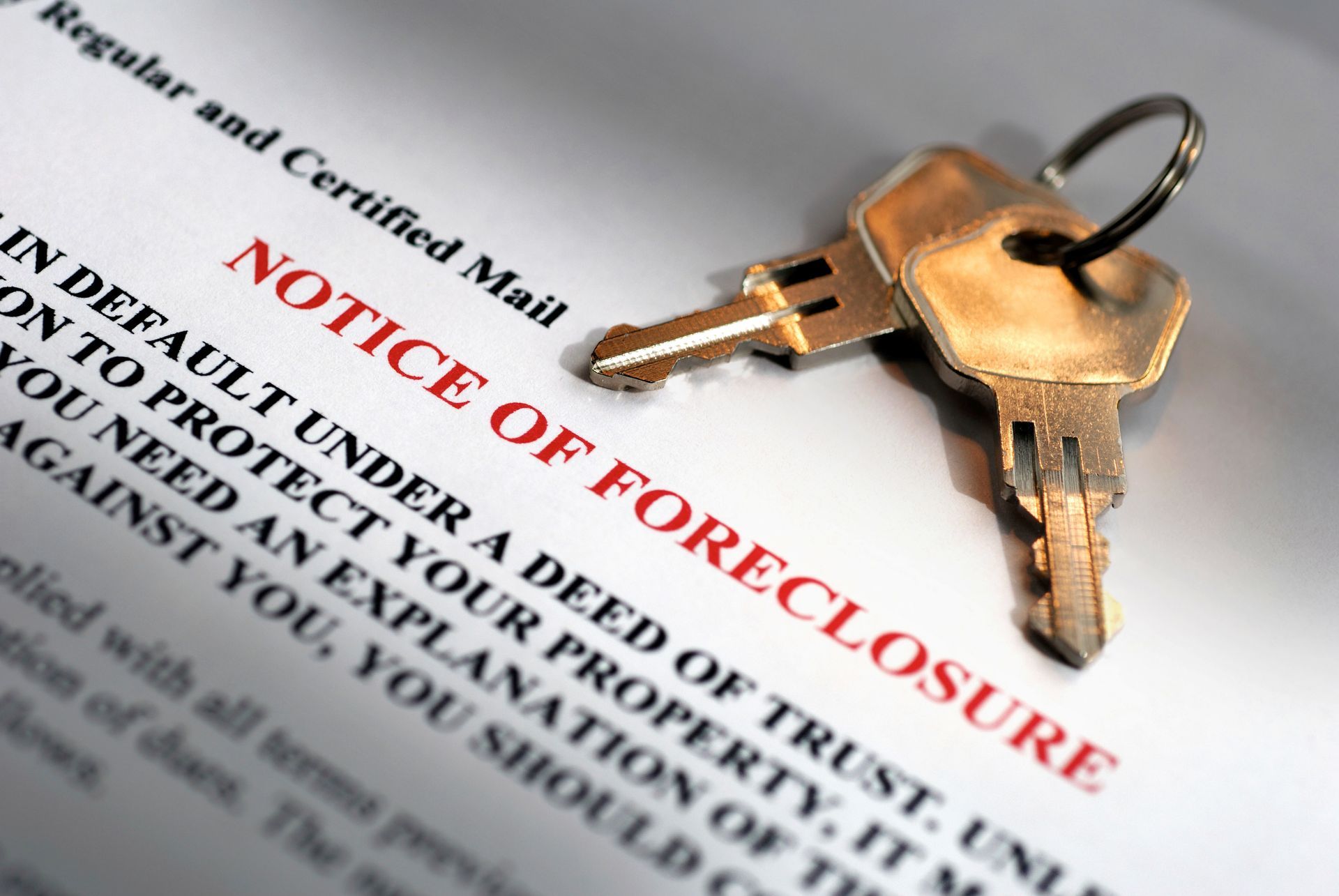
The process typically begins with a notice of default, which informs the borrower that the loan is not current. This notice marks the start of a defined period during which the homeowner can take action to resolve the issue.
If the situation is not resolved, additional notices may be issued, leading up to a foreclosure sale. Each step must adhere to specific requirements, including how and when notices are delivered. Failure to follow these procedures can invalidate the foreclosure process.
Understanding these timelines can help homeowners stay informed and proactive. Knowing when key milestones occur allows for better planning and more effective decision-making. Foreclosure law ensures that these timelines are consistent and enforceable, providing structure to what might otherwise feel like an unpredictable situation.
Considering Long-Term Financial Implications
Foreclosure has lasting effects that extend beyond the immediate loss of a property. Foreclosure law governs the process itself, but the financial consequences can continue long after the case is resolved.
One of the most significant impacts is on credit. A foreclosure can affect a borrower’s credit profile, making it more difficult to secure future loans or favorable terms. This impact can influence major financial decisions for years to come.
There may also be tax implications, depending on how the foreclosure is handled and whether any debt is forgiven. Understanding these potential outcomes is an important part of evaluating options and planning for the future.
Additionally, foreclosure can affect housing stability. Securing new housing after a foreclosure may require additional planning, especially if rental applications involve credit checks or financial disclosures.
By understanding these long-term implications, homeowners can approach foreclosure law with a broader perspective. It is not just about resolving the immediate situation—it is about protecting future opportunities and financial well-being.
Foreclosure law plays a critical role in shaping how financial challenges related to homeownership are addressed. While the process can feel complex, it is designed to ensure fairness, provide structure, and offer opportunities for resolution.
Every foreclosure case is unique, and the decisions made along the way can have lasting consequences. Taking the time to learn about foreclosure law and how it applies to your circumstances can make a meaningful difference.
If you are facing uncertainty related to foreclosure law, you do not have to navigate it alone. At The Law Offices of Tepps Treco, we are here to help you understand your rights, evaluate your options, and move forward with confidence. Reach out to us today so we can support you through every step of the process.